

With the passage of the Affordable Care Act, the government can also collect an additional Medicare tax on wages earned above a certain threshold. These taxes are used to fund critical government programs, so paying the tax is mandatory. But there’s an Additional Medicare Tax that high-income individuals must pay. With few exceptions, everyone who earns income is subject to FICA tax. The total owed for Social Security and Medicare is 15.3% of your income up to the income limits.

FICA Rates and Limits
- In total, most employees see 7.65% of their paychecks go toward FICA, while employers contribute another 7.65%.
- In addition to the taxes, these programs also rely on interest earned from these trust funds, monthly premium payments from some Medicare beneficiaries, and occasional government subsidies.
- Additionally, students working at their enrolled university may qualify for exemptions.
- There may be problems with over- or under-withholding due to the fact that each employer’s withholding is activated at $200,000 per employee, regardless of filing status or combined earnings.
- FICA combines Social Security and Medicare taxes for a total rate of 15.3%, but the cost is split between each party.
- FICA requires employers to withhold 6.2% Social Security tax and 1.45% Medicare tax from an employee’s FICA taxable wages.
While FUTA provides a foundation and support, SUTA directly funds unemployment benefits for workers within a specific state. SUTA tax rates and regulations vary from state to state, so you need to be aware of specific requirements in the states where you have employees. For social security, this amount is 6.2% withheld from the employee’s wages, up to an annual wage cap of $176,100 per employee (for 2025 earnings). Employers also pay a matching https://www.bookstime.com/ amount, which makes for a total Social Security tax of 12.4%. This wage cap changes every year, so make sure to check the Social Security Administration website for the latest information. The Medicare portion of FICA is smaller but applies to all earned income without a cap.
FICA tax in a nutshell
It also provides disability benefits for those unable to work due to medical Debt to Asset Ratio conditions and survivor benefits to family members of deceased workers. Payments depend on lifetime earnings and the age at which benefits begin. As of 2024, the Social Security tax rate is 6.2% for employees and 6.2% for employers, with a taxable wage cap of $168,600. Earnings beyond this amount are not subject to Social Security tax.

Medicare Tax
- This means that the higher your income, the higher the tax rate.
- Once you earn 40 credits over your working life, which takes 10 years of work for most people, you become eligible for retirement benefits.
- Self-employed individuals must report their earnings and pay their self-employment tax on their annual tax return.
- An additional 1.45% tax is also collected to fund Medicare benefits and this, too, is matched by employers.
- In 2023, the Social Security portion of the self-employment tax—12.4%—applies to the first $160,000 in net income.
- Today, FICA taxes include a Medicare tax along with the original Social Security tax (also known as Old Age, Survivors, and Disability Insurance or OASDI).
- Timely and accurate reporting not only keeps a business compliant but also ensures that employees’ benefits are correctly recorded for future claims.
Medicare is a federal program that helps pay for medical expenses and end-of-life care. For example, suppose an employee receives $1,000 every pay period. A total of $62 ($1,000 X 0.062) goes toward paying Social Security taxes from that paycheck. You only have to withhold the 0.9 percent Medicare surtax if the wages you pay a worker in a calendar year are more than $200,000. In the pay period when an employee’s wages go above this $200,000 “floor,” fica meaning you start withholding the surtax; you keep withholding it every pay period until the calendar year ends.

Business Insider tells the innovative stories you want to know
- Social Security receives 6.2% and Medicare receives 1.45% of this 7.65% FICA tax.
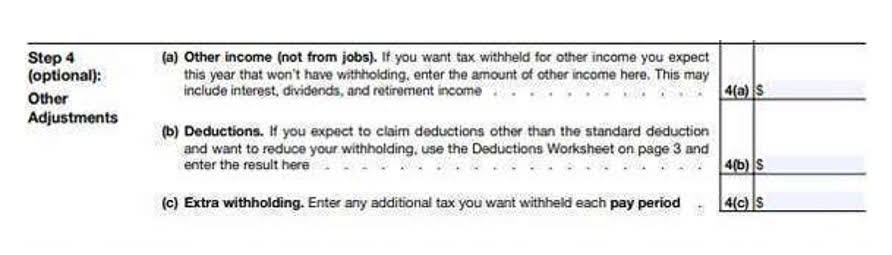
- On Form W-4, employees have the option to request additional income tax withholding or make estimated payments if they believe they will be under-withheld for the Medicare surtax.
- While most workers contribute to FICA, some individuals qualify for exemptions.
- The 7.65% tax includes a 6.2% Social Security tax and a 1.45% Medicare tax.
- If that happens, you’ll have to make separate estimated tax payments (unless you asked for additional withholding on your W-4 form).
- That’s a lot of zeros, and it’s all going toward programs that millions of Americans rely on.
- The total owed for Social Security and Medicare is 15.3% of your income up to the income limits.
This means that an employee will pay Social Security tax on the first $172,800 of their earnings in 2024. The Medicare tax has no wage base limit, so employees pay the tax on all of their earnings. Therefore, the employee would have a total of $69.60 paid into the Medicare fund. Unlike Social Security, Medicare tax on paystub does not have a wage base. This means that no matter how much an employee makes, the employer would deduct a total of 2.9 percent for the Medicare tax.
- This means if an employee earns $180,000, FICA taxes will only be applied to the first $176,100 of those total wages.
- Social Security represents around one-fifth of the federal budget.
- Employees who earn over $200,000 annually and file their tax returns as an individual owe an additional 0.9% in Medicare taxes on top of the 1.45% mentioned above.
- The fund comes from payments made by employees, employers, and self-employed people each pay period.
- The Federal Insurance Contributions Act (FICA) is a federal tax law equally split between the employer and employee.
- If the FICA taxes seem high, it’s because the programs that it funds are extremely expensive.
- The Additional Medicare tax is levied on those with income of $200,000 or more and a single, head of household, or qualifying widower filing status.
Beneficiary rules are subject to change and can have significant legal and tax implications. Employers have to withhold taxes — including FICA taxes — from employee paychecks because taxes are a pay-as-you-go arrangement in the United States. When you earn money, the IRS wants its cut as soon as possible.